
Leadership Consulting
One-to-one advisory that anchors leadership development to the outcomes your organization needs
Some development programs produce better leaders. Richard’s approach also produces better-performing businesses.
Most methods of development target a fixed idea of what strong leadership looks like. But these approaches don't focus on what the company wants from its leaders.
"Richard is an expert in leadership growth and organizational transformation... He is particularly strong at identifying stress behaviors and helping team members build self-awareness around them, and at helping leaders pull back to see the bigger picture. He has consistently exceeded our expectations across multiple initiatives, which is what keeps us bringing him back year after year."
Michelle Pluskota
Divisional Vice President,
Comcast Business
"Richard is one of the most professional, honest, and trustworthy leaders I have had the opportunity to work with. His ability to challenge your thinking while providing thoughtful guidance helped me grow tremendously. I am grateful for his mentorship and would recommend him without hesitation to any executive seeking to take their leadership to the next level."
Tatiana Souza
Chief Development Officer,
Davila Homes
Leaders require investment to close the gap between where they are and where the business needs them to be. For example:
She's the CEO's pick to run the business. She has to be ready.
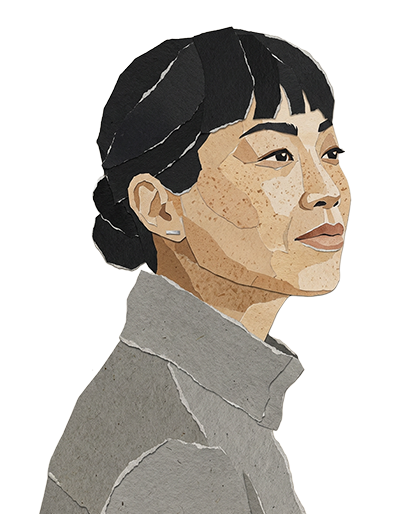
However, the role has a scope twice as big as what she oversees now. Nobody's prepared her for the decisions she will have to make, the relationships she will need, and the behaviors she must learn.
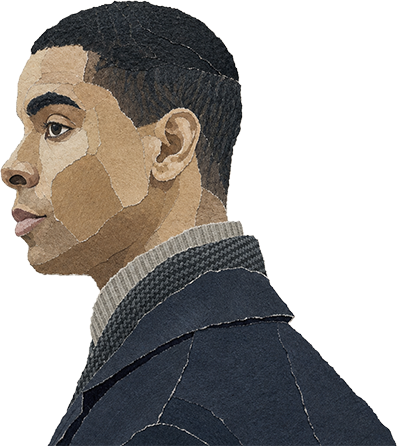
He ran a growing division. Then, private equity bought the company.
He'd found success by being relationship-first and consensus-driven. Suddenly, executive meetings are focused on EBITDA growth and exit timelines. The new investors read his style as slow and unfocused.
Over the years, she's gone from running a team of six to 60.
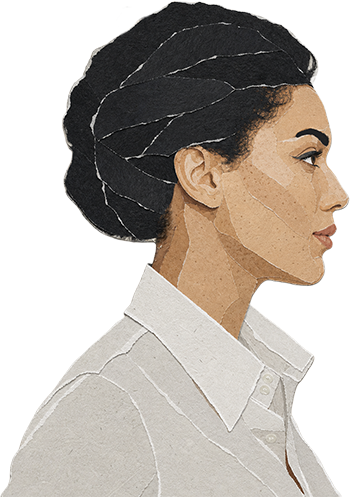
In the early years, it was fine for her to be personally involved in every deal. However, she's still managing the same way now despite overseeing three regions. The executive team is asking why there's a sales bottleneck.
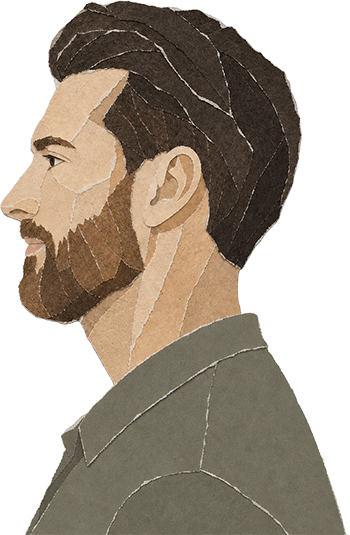
The business promoted him to run his group. He's never managed before.
He got the position by being the best engineer the division had ever seen. After a year in leadership, two of his top performers are looking to leave. He doesn't understand why or what he was supposed to do differently.
Richard Smith helps leaders close the gap
For the People Richard Advises
“Every leader faces a moment that demands more than what got them here. That’s where we start.”
For the Senior Executives Who Invest in Leaders
"Advice from someone who's never carried the weight is just an opinion. I've sat in the chair and owned the outcomes."
The Leadership Deficit™ Framework
Every leader operates with a gap between where they are and where the business needs them to be. This is The Leadership Deficit.
It isn't a character flaw. It's a condition that's structural, diagnosable, and closeable.
The Leadership Deficit shows up in four ways:
1
The Ascending Leader
Identified for what's next
The organization recognizes this leader as having high potential: someone with the capability and trajectory to take on significantly greater responsibility. The gap is a forecast. Now, the organization is investing to bridge the deficit before the role demands it.
2
The Challenged Leader
New terrain, old maps
This leader faces a situation outside of their experience, such as a turnaround, a cultural transformation, or a first enterprise-level role. The maps they built on prior knowledge no longer match the territory.
3
The Outgrown Leader
Role outpaced development
The leader was effective at a prior level, but the job grew faster than their skills. Promotions, reorganizations, or acquisitions expanded the mandate without increasing their capabilities.
4
The Undeveloped Leader
Never been shown
This leader rose through technical excellence or operational results but never received development to match the scope of the role. The gap exists because the organization didn't make the investment before.
Knowing the gap changes how it gets closed
The Leadership Deficit framework ensures that leaders develop in specific and necessary ways instead of chasing scattershot skills and a one-size-fits-all concept of leadership. The result is The Performance Dividend™: a measurable return for the leader, their team, and the organization.
"Richard challenged me to think about situations in another way. He would offer differing viewpoints and ask pertinent questions to allow me to see the other side. He helped me through a challenging time in my career and offered not only professional advice but also thoughtful, caring guidance. He operates with high integrity which allowed me to speak freely and grow personally and professionally under his coaching."
Lexie McIntyre
Division President,
Ashton Woods
"I wanted several newly promoted operational executives to grow into their roles as leaders, transitioning from individual contributors to effective leaders of people, process, and strategy. Since engaging B+B to coach them, I’ve seen these executives make great strides and grow in their abilities to strategically think about our business."
Mike McIlwain
CEO,
Applied Technical Services
The Leadership Consulting process
From first conversation to lasting impact.

1. Collaboration
Richard consults with the hiring executive about the leader’s challenges and opportunities. He also learns about the organization’s operations, culture, and strategy. This foundation anchors his work to the needs of the business.
2. Assessment
Richard applies the Hogan Assessment Suite and Emotional Intelligence View360: independently validated instruments used across the Fortune 500. This gives him data-driven answers about how the leader thinks, what motivates them, and how others experience them.
3. Planning
Using the Leadership Deficit framework, Richard converts assessment data into a diagnosis. The strategic plan he creates for the leader’s development is based on their specific leadership gap, not generic models of how “good” leaders operate.
4. Advisory
The leader meets with Richard every two weeks to focus on real business situations, correcting actions, and managing stakeholders. Where invited, Richard may sit in on their team or executive discussions. Each session builds on the last, so the leader can apply recommendations and share results with Richard.
The advisory experience
During the advisory process, Richard meets once a month with the leader’s direct manager to review what is showing up in their work. However, all of Richard’s conversations with the leader during advisory sessions remain confidential.
This trust is crucial. Leadership development requires psychological safety and accountability. Richard creates this advisory space, The Leadership Chamber™, for people to do the real work of confrontation, pattern-breaking, and growth.
In the Leadership Chamber model, leaders move from insight to ownership to transformation:
The Leadership Chamber
is where the leader changes.
The Performance Dividend
is what they and their company earn from the process.