

Organizational Consulting
Organization-wide advisory that aligns company culture to business strategy.
Company culture is the set of beliefs that employees hold and the behaviors that reinforce them.
The organization has hummed along for years with clean execution, strong retention, and happy customers.
Leadership doesn't know that the culture can handle much more because they've never tested it. The culture keeps doing what it already does well. No one discovers its potential.
Senior executives cite leadership tenure and engagement scores as proof of effective culture.
However, there is no collaboration. The organization is unable to pivot quickly when the market changes and new opportunities present themselves.
The sales regions work differently. The East Coast closes fast. The West Coast builds relationships over 90 days.
When corporate rolls out a unified sales methodology, each region falls back on its own playbook. And the lackluster numbers show it.
Leadership pivots from small and midsized businesses to enterprise customers. The strategy is sound and the team has retrained.
But company culture still runs on short cycles and single-call decisions, while enterprise deals take months and involve multiple stakeholders. Opportunities stall in the pipeline or close on SMB terms.
In each scenario, there's a culture gap: a costly distance between where culture is today and where strategy needs it to be.
“I help companies see, name, and close the gap.”
"We knew we had a shifting strategy. We knew we had uncertain times. This was about finding someone who would meet us and our leaders where we were, integrate themselves into our organization, and help us create leverage. That would be the biggest compliment I would give to Richard."
Phillippe Lord
CEO,
Meritage Homes
“I had the pleasure of working with Richard at Cox Automotive on a sizable talent acquisition project, developing a broader strategy and execution plan for one of our businesses. His thought leadership and bias for action drove a plan that improved our approach and delivered positive results for the business.”
Julia Robison-Schultze
VP Human Resources,
Cox Automotive
The Culture Conditions™ Framework
Culture Conditions define what an organization's culture is actually doing: the systems, norms, and structures that are either supporting performance or holding it back. They're specific, observable, and resolvable.

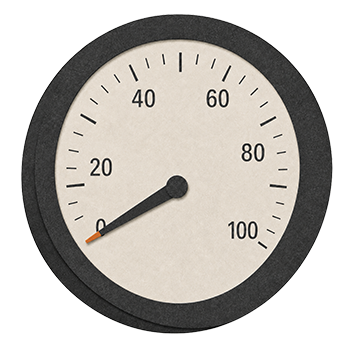
The Ready Culture
Built for more than it's been asked to do
Culture is stronger than leadership realizes. The opportunity is not to fix what isn’t working. It is to challenge the culture with business demands that will drive the organization forward.
The Unexamined Culture
Never been measured
Leaders believe they know the culture but have not recently or formally assessed it. Decisions about strategy, talent, and direction are made on assumption rather than evidence, creating drag on business performance.

The Fragmented Culture
One company, misaligned cultures
Micro cultures inside the organization are misaligned from one another as well as the organization's goals and values. Functions, divisions, and levels pull in different directions.
The Counteracting Culture
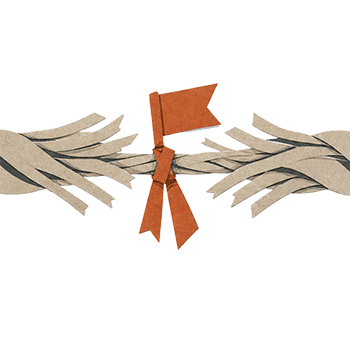
The culture that fights the strategy
Culture is actively working against the organization's business goals. That culture absorbs strategy and whatever the company layers on top of it.
Culture conditions and the culture gap aren't soft metaphors. Companies see a real return when they close the gap. For some, it's a number on the balance sheet. For others, it's the capability to finally execute strategy.
This is the impact. This is The Performance Dividend™.
The Organizational Consulting process
1
Calibration
Richard talks with senior executives to understand what brought the company to this point, such as a strategy that won’t stick, failed initiatives, problems with vendors, or infighting between departments.
Why it matters
Calibration helps Richard identify if the real issue is culture, and if it is, whether the culture is holding the organization back or capable of more than it has been asked to deliver.
2
Assessment
With a research-validated assessment used across the Fortune 500, Richard surfaces the beliefs driving behavior and how the organization actually operates.
Why it matters
Data replaces what leadership believes with evidence of how culture truly operates. It also points to the specific conditions driving or restraining performance.
3
Findings
Richard analyzes the data through The Culture Conditions framework. He presents his findings to the executive team, to HR, and to broader leadership. As part of these conversations, he demonstrates the business case for action.
Why it matters
Findings create a shared, evidence-based picture of how culture aligns with strategy.
4
Advisory
Organizations consult with Richard on how to shift culture conditions, and he assists in implementation with the client’s HR and change management team. Where invited, he may sit in on executive and operational meetings, investor calls, and other key conversations.
Why it matters
Ongoing advisory and immersion build insights and trust. Richard advises along the journey, but he ensures that the client’s team leads the way.