

The "Anchored to Outcomes" Approach
Develop leaders and align company culture based on business goals. Not generic models.
Consultants often shape leadership and culture with a goal already in mind. They have a generic model of what "good" is supposed to look like.
But a generic approach doesn't produce real solutions. Work that doesn't target business goals won't achieve them.
"When someone understands your core values, culture, strategy, and industry, it's way more effective than just, 'Let me grab this consultant for something prescriptive or formulaic.'"
Phillippe Lord
CEO
Meritage Homes
Being anchored to outcomes elevates the whole organization
You see the challenges
For Leaders
For the Organization
The Anchored to Outcomes approach solves these challenges
But to apply it effectively, the consultant has to meet four conditions.
1
Operator-level understanding
It's not possible to anchor to business goals without understanding them. That means experience running a business unit, owning a budget, and working inside Fortune 500 organizations.
2
Full immersion
Fly-in-fly-out doesn't work. Solutions require sitting with everyone from the C-suite to direct managers through one-on-ones, assessments, and shadowing.
3
Trust at every level
Being disconnected and deliverable-focused is efficient but not effective. You earn a different kind of relationship by connecting with people, protecting confidentiality, and proving value.
4
Data over opinion
Independently validated assessments make findings credible and hard to dismiss. But data alone isn't enough. Analysis based on experience is how numbers turn into action.
"Meet the company where it's at and the outcomes it needs to have. If you're not aligned with the business philosophy, goals, and direction, that's a missed opportunity."
Rock Anderson
Chief People Officer,
Emory Healthcare
Why doesn’t everyone do it this way? Because the alternatives can’t.
INTERNAL TEAMS sit inside the system they're trying to assess, so confidentiality and objectivity collapse.
GENERALIST COACHES AND AI PROGRAMS work from generic standards that aren't built around the business.
BIG CONSULTING FIRMS rotate analysts off before they establish trust, so they provide diagnosis without authentic knowledge.
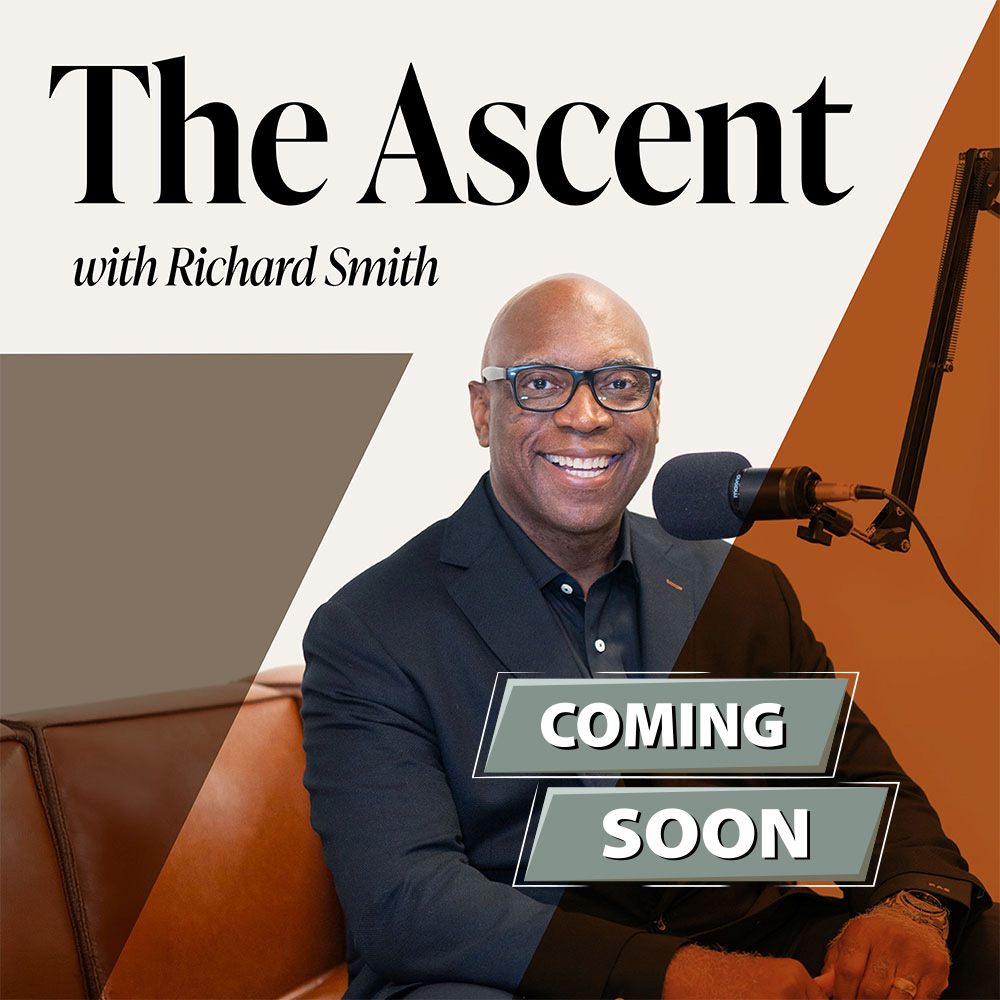
Richard Smith developed the Anchored to Outcomes approach over two decades of leading talent and culture inside and alongside Fortune 500 organizations.
Leaders trust Richard because he's sat in their seats and understands the pressures operators face.
That background lets him step inside an organization, earn relationships that produce candor, and connect what data says to what the business has to achieve.
Learn about his leadership advisory services
Leadership Consulting
for C-suite executives, EVPs, and select VPs and directors
Organizational Consulting
to align culture to strategy
"I close the gaps between where your leaders are, where your culture is taking them, for better or worse, and what your business needs to outperform."
Explore the Anchored to Outcomes approach
Latest articles
View all articles
You can’t develop a leader you also help evaluate
When your operating leader hands you his struggling direct report

The layer you cut was making decisions
Every org change moves authority: decide where it goes

What your AI pilot left out
A demo proves the tool. The rollout tests the organization.

The work your star performer makes everyone else do
Five steps to take before you promote them