
How Promotion and Tolerance Decisions Create Culture at Scale
A company grows, and leadership starts to notice something concerning.
Decisions are being made that no one on the executive team would have made two years earlier. The values are still on the wall. The onboarding materials still tell the founder’s story. The all-hands meetings still reinforce the core principles. And yet the organization is operating differently.
Most leaders call it drift. Drift is the wrong word, and the comfortable one, because it implies the culture changed on its own while leadership was busy scaling.
It didn’t change on its own. You promoted and tolerated your way here, one reasonable decision at a time.
When an organization is small, culture travels through proximity. A handful of people set the tone, and almost everyone works directly with the founders, the executives, and the early leaders, watching how they exercise judgment, make decisions, and hold the line in real time.
Drift is the wrong word, and the comfortable one, because it implies the culture changed on its own while leadership was busy scaling.
Growth changes that. Once an organization reaches scale, most employees never interact with the people who originally shaped the culture. They learn how work gets done from their direct manager and from the behaviors they watch get rewarded and tolerated around them.
What fills the gap is observation. People watch who gets the next role, who gets protected, and who gets worked around, and they calibrate their own behavior to match. None of it requires a memo. The organization teaches itself, every day, through what it visibly rewards.
At that point, culture is no longer carried by proximity. It is carried by decisions, and most of all by promotion decisions.
Every promotion teaches the organization what success looks like. Every tolerated behavior teaches teams what standards actually matter. Those signals become more influential over time because they answer the question employees care about most: what does it take to succeed here?
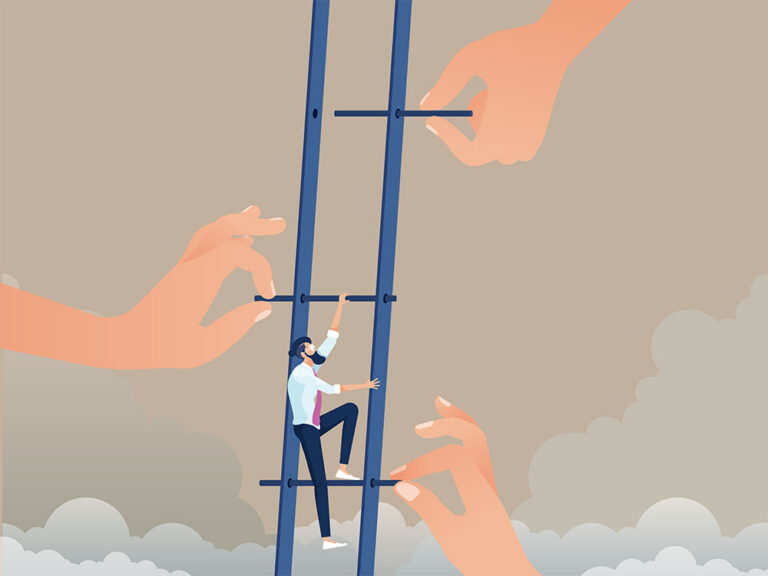
Promotion is the loudest signal a company sends, louder than any values deck, because it comes with money, title, and public proof that the organization meant it. When you elevate someone, you publish a working definition of what this place rewards, and every person watching reads that definition and adjusts how they spend their own effort.
No single promotion changes a culture, which is exactly why this stays invisible. The shift is cumulative, assembled from choices that each looked defensible on their own, until the pattern is the thing everyone has learned to read.
The culture you have at scale is the one you have been promoting and tolerating, whether or not it matches the one you would describe to a candidate.
No single promotion changes a culture, which is exactly why this stays invisible.
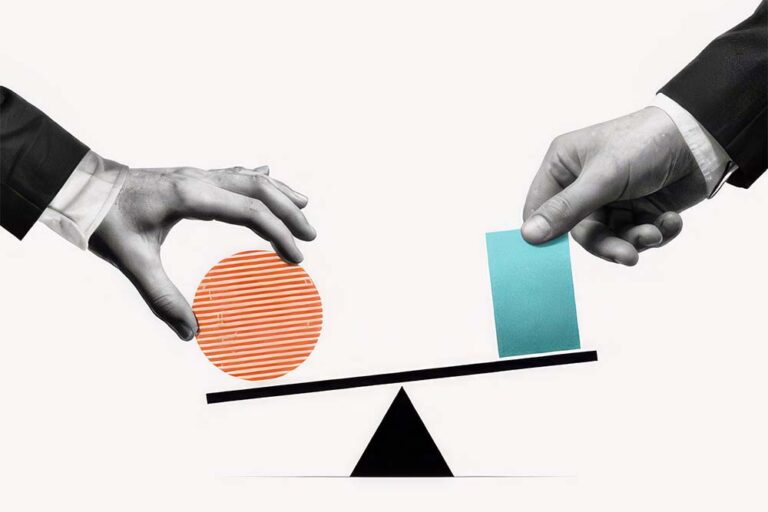
The hardest part is that the signal is comparative. People compare those who advanced against those who did not. They weigh this data against the stated values, and when the two disagree, they believe the promotions every time. The words lose to the evidence.
In my experience one pattern shows up again and again in growth-stage companies. Leaders promote the strongest individual performers because the business needs results, and over time the people watching conclude that developing others, collaborating across functions, and building organizational capability count for less than personal output. I have watched the same logic run through tolerated behavior. A senior leader who is difficult but productive stays, and everyone below them learns that results get you a pass on how you treat people. Nobody announces that rule. It is simply observed, and then it spreads. Both teach the organization something the values statement on the wall never intended, and never authorized.
This is the variable that decides whether the next stage of growth holds firm, which is why it deserves attention before the numbers turn rather than after. In a downturn the gap stops being abstract, because the behaviors your promotions have rewarded are the ones the organization leans on hardest when conditions tighten. The culture you can no longer see at scale is the factor that decides whether your next stage of growth is durable or borrowed against the last one.
The leaders who succeed at scaling a culture stop trying to broadcast it and start auditing what their decisions transmit. They look hard at who was promoted in the last eighteen months and ask what those choices taught everyone watching. They look at what they let slide and ask what it cost them in credibility. They look at who they protected and what that protection signaled. Then they manage promotion and tolerance with the same discipline they apply to anything else that compounds. Because this compounds, too.
The good news is that culture is not mysterious. An organization becomes what it repeatedly rewards and repeatedly tolerates. This means it can be changed the same way it was built, through deliberate leadership decisions.
That change starts with seeing clearly what your organization is teaching people through its decisions, then replacing the signals that soundlessly work against the culture you actually want. The work is unglamorous. But it is entirely within your control.
The culture you have at scale is the one you have been promoting and tolerating, whether or not it matches the one you would describe to a candidate.